THE BIRDING DIARY
BIRDING PENINSULAR MALAYSIA — A MASTERCLASS IN NATURE
We spent two weeks with Irshad Mobarak — Naturalist, the founder of JungleWalla. He proved to be the finest tour leader we have ever encountered. Accompanying us was Shahrool Anuar, who introduced himself as our driver but quickly demonstrated he was an indispensable part of the birding team.
FROM WETLANDS TO MISTY PEAKS
Malaysia is an exceptional birding destination. Our classic itinerary began near Kuala Lumpur and spanned the country’s most iconic habitats:
- Selangor Wetlands: At Paya Indah and the Selangor River, we successfully targeted the Lesser Adjutant, observing sixteen individuals foraging on the riverbanks.
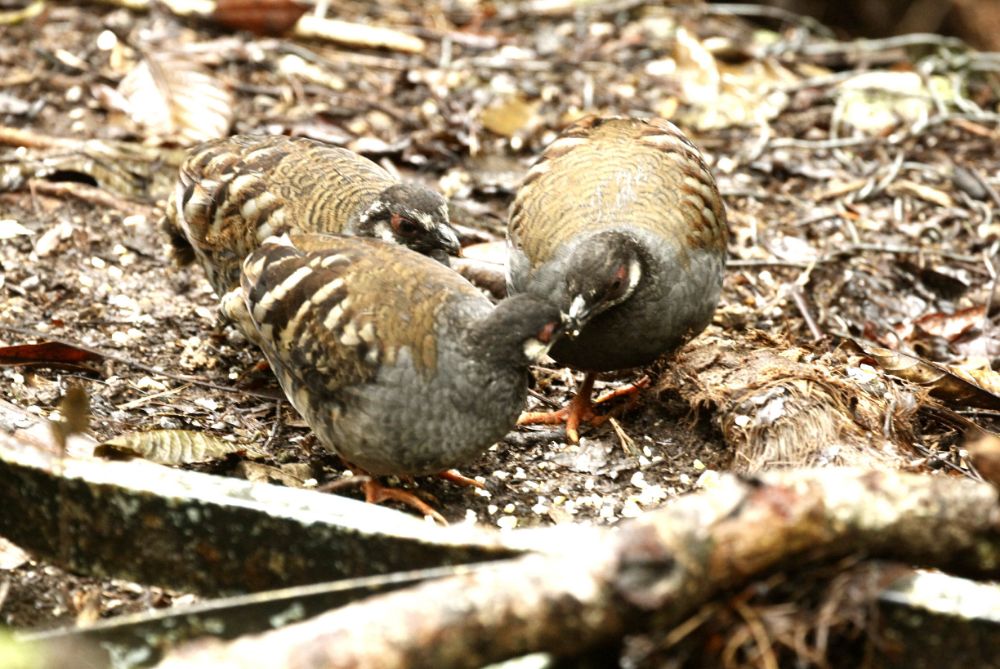
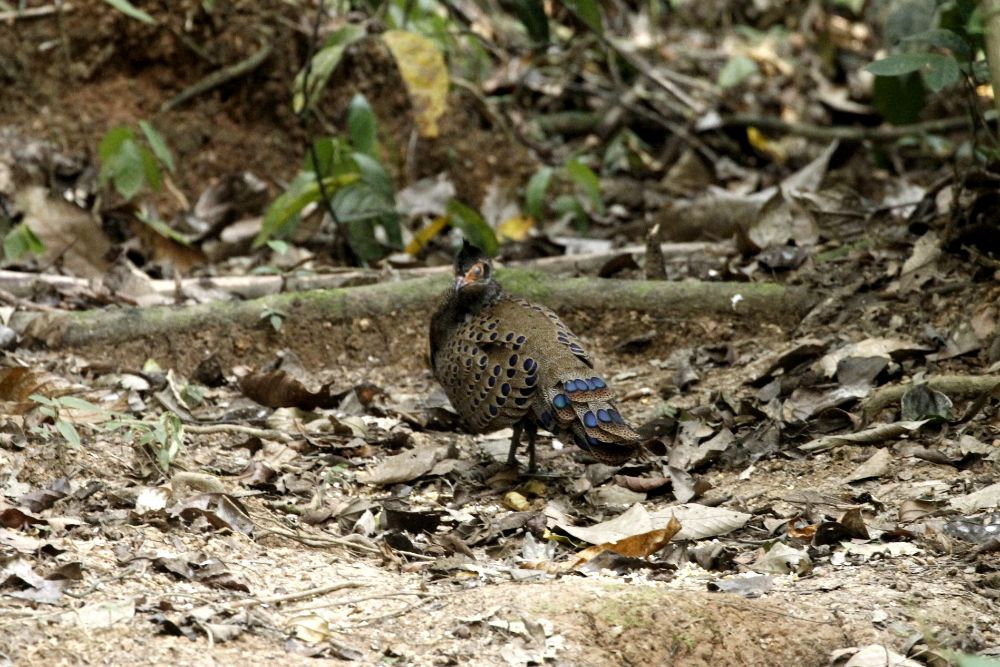
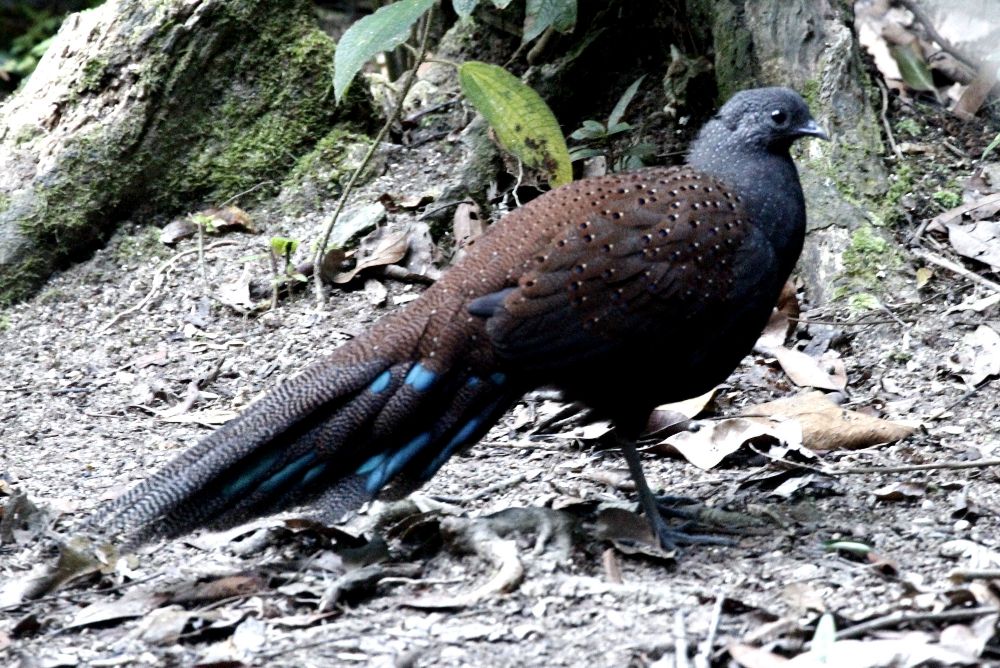
- Bukit Tinggi: We hit the jackpot at the feeding stations, securing magnificent views of the Ferruginous Partridge and the elusive Mountain Peacock-Pheasant.
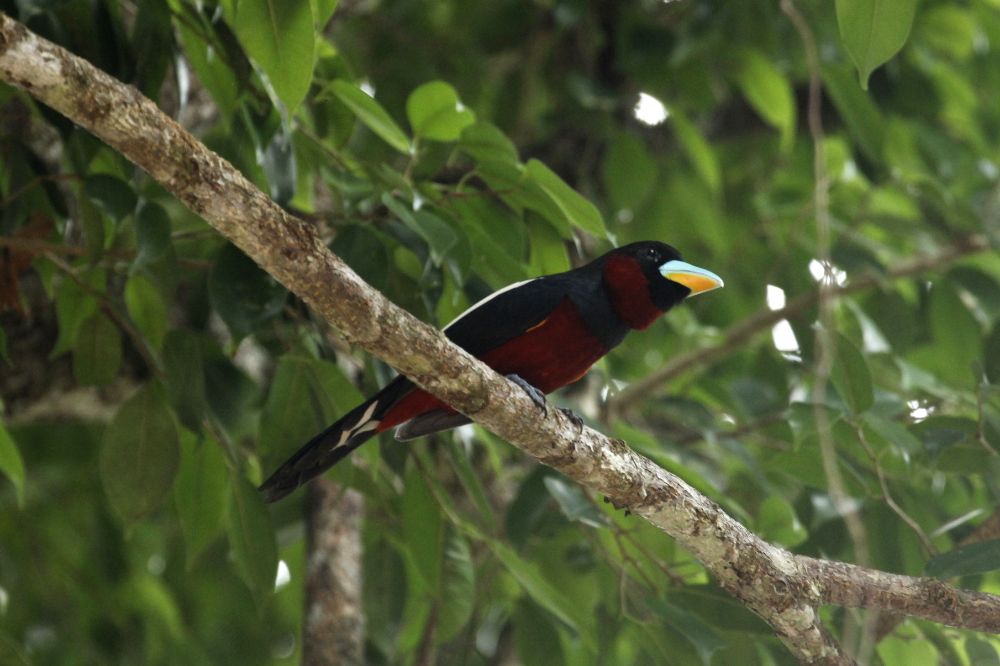
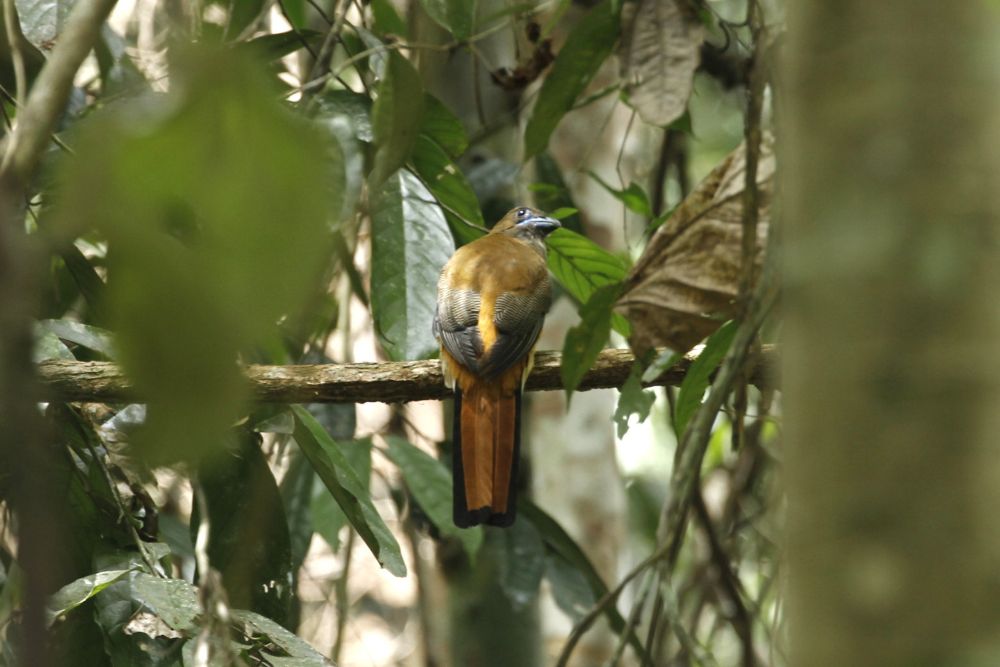
- Fraser’s Hill: Accompanied by local guide Durai, we spent three days in this famous hill station. Despite heavy rain and fog, we built an incredible list of species, including the Red-headed Trogon, Fire-tufted Barbet, and the stunning Long-tailed Broadbill.
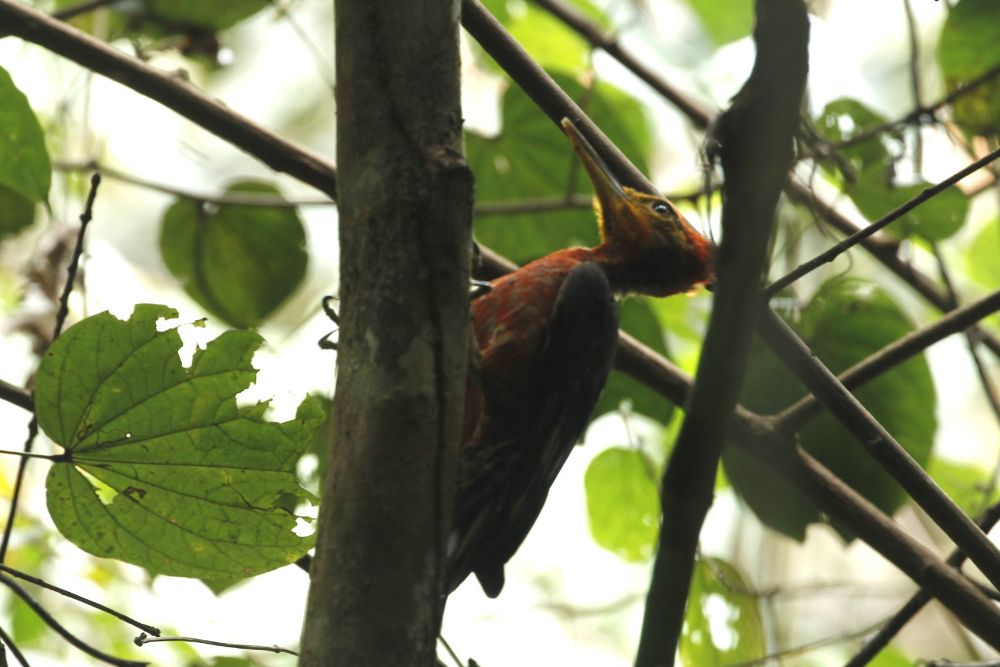
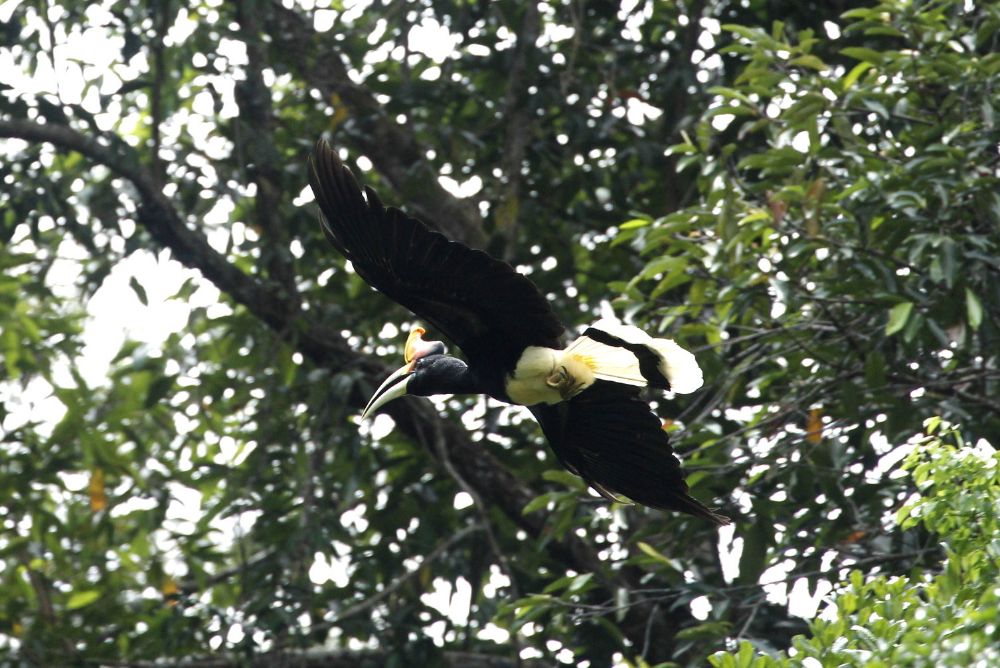
- Taman Negara: We explored both the main park and the Merapoh sector. Merapoh, in particular, offered pristine conditions and high bird density, featuring the Great Argus, Malayan Crested Fireback, and four species of Hornbill (Helmeted, Black, Wrinkled, and Wreathed).
- Taiping & Sedim: We concluded our journey at the Lake Gardens for the Milky Stork and the Sedim Treetop Walk, where guide Neoh Hor Kee helped us maximize our final species count.
TRIP STATISTICS
Despite occasional heavy tropical downpours and fallen trees blocking mountain roads, the expedition was a resounding success.
| Category | Count / Detail |
|---|---|
| Total Bird Species | 307 (including 151 Lifers) |
| Hornbill Sweep | Observed all nine species native to the region |
| Biodiversity Total | 454 species (19 mammals, 68 butterflies) |
15 FEBRUARY
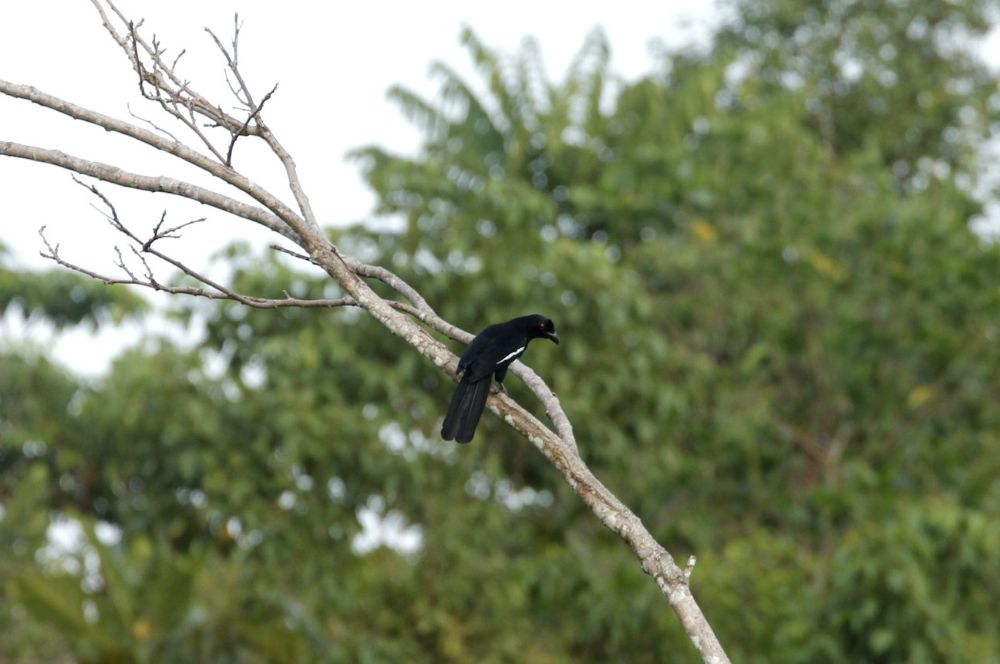
We arrived in Kuala Lumpur amidst heavy rain and thunderstorms, but fortunately, the Sama Sama Hotel can be reached from the airport without getting wet. By 5.30 pm, it was dry enough to do a little birding on the hotel grounds and in the surrounding green areas. We found our first lifer: the Sunda Crow. There were swiftlets about, along with several species I had seen in Singapore that were new to Hiele: Pink-necked Green Pigeon, Asian Glossy Starling, and Yellow-vented Bulbul. A Peregrine Falcon was perched on one of the tall buildings, and a Pale Grass Blue was the only butterfly we spotted.
16 FEBRUARY
The temperature reached 32 degrees Celsius today with no rain. Our first full day in Malaysia started at 7 am when Irshad Mobarak, our Bird Malaysia guide for the trip, picked us up and introduced us to his driver, Shahrool Anuar. After a substantial buffet breakfast at the luxurious Sama Sama Hotel, we were ready to go and started birding as soon as we arrived in Selangor.
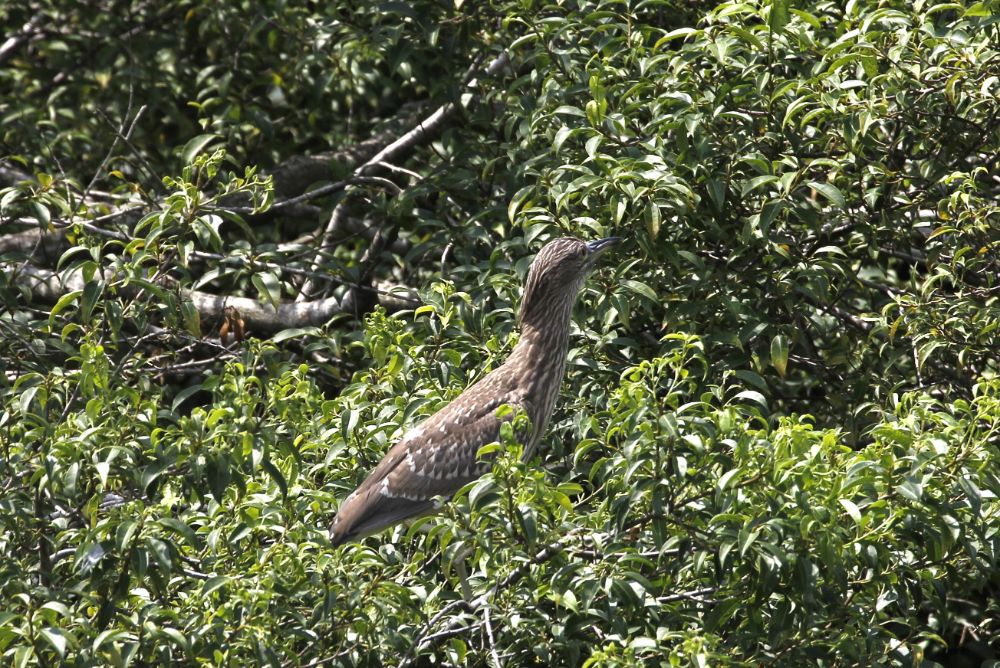
We drove to the Paya Indah Wetlands at Kampung Selangor Dredging, an abandoned holiday park with an empty visitor center and a lonesome hippo staring out at a scenery that was once intended to be a zoo. Good birds did not appear quickly, but eventually, we saw several Crested Honey Buzzards, Dark-sided Flycatcher, Lesser Coucal, Pied Triller, and Ashy Minivet. The highlight was a Black-and-red Broadbill found near one of the Black-crowned Night Heron colonies. We enjoyed a family party of Dusky Langurs with their striking orange babies, while three Black-bellied Malkohas and a Black Baza were recorded as lifers. The lake-fringed reeds and woods also hosted a Chestnut-winged Cuckoo, and several butterflies appeared, including the Banded Swallowtail.
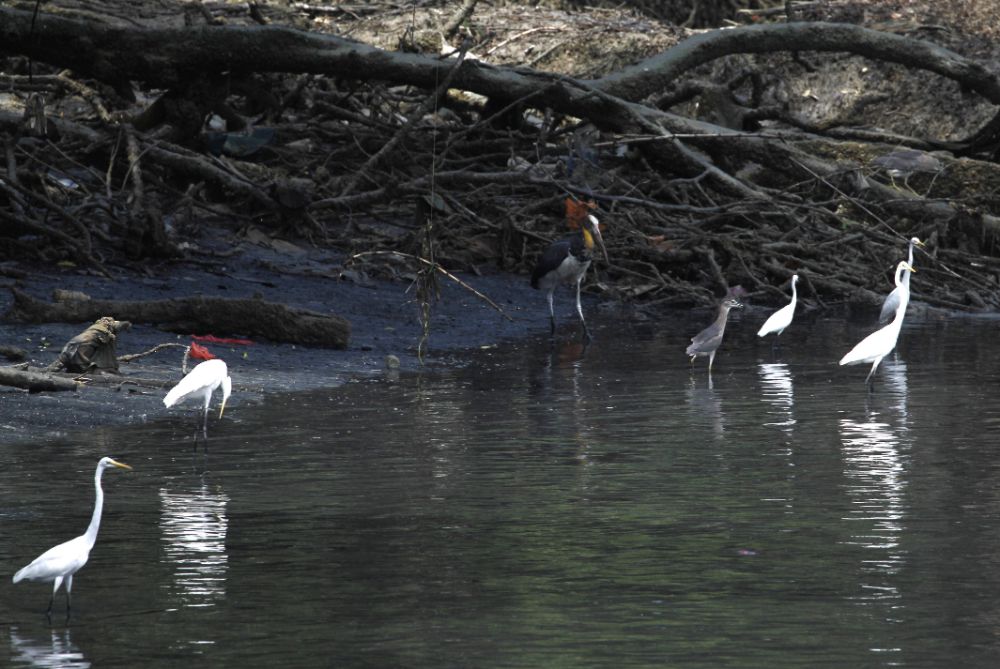
After lunch, at low tide, we boarded a small boat to navigate the Selangor River. We observed a multitude of terns (including 100+ Whiskered Tern and 20+ Gull-billed Tern) and waders such as Greater and Tibetan Sand Plover, Marsh Sandpiper, and Terek Sandpiper foraging on the muddy and sandy riverbanks. Our primary target, the Lesser Adjutant, was also present among egrets, herons, and Painted Storks. We counted sixteen of them, with only one positioned within photographic reach.
We then departed for the Da Palma Resort at Kuala Selangor. We took a short walk on the resort grounds, where the Selangor Silvery Langurs were accustomed to people and easy to photograph. After dinner at the resort, we went for an evening visit to the edge of the North Selangor Peat Swamp Forest, the second-largest contiguous peat swamp forest in Peninsular Malaysia. At GPS 3.46167, 101.24767, we heard both Dusky and Barred Eagle Owl. Driving along the nearby farm roads produced seven Large-tailed Nightjars and four Eastern Barn Owls, though we could not locate any Malaysian Eared Nightjars.
17 FEBRUARY
The first lifer of the day was found by Irshad, who showed us two male Greater Flamebacks around the car park, with several Common Flamebacks also present. A pair of Orange-bellied Green Pigeons and two Dollarbirds frequented the same area. Our first destination of the day was the nearby Selangor Nature Park, where monkeys were in evidence, including many Selangor Silvered Langurs and Long-tailed Macaques. We planned to walk to the mangroves in search of the Mangrove Pitta, but after an hour with only a Black-capped Kingfisher and some Golden-bellied Gerygones, we walked back to the large car park where we had left the car.
Here, things picked up when I discovered there were plenty of birds in the tall trees. I pointed out a Green-billed Malkoha, a Daurian Starling, Swinhoe’s White-eye, and several Ruby-cheeked Sunbirds to Irshad and Hiele. Irshad then called out a Black Baza passing overhead—what a gorgeous little raptor. Irshad and Shahrool Anuar suggested visiting the Botanical Garden at Shah Alam, another reputable site for the Mangrove Pitta. Fortunately, it was only a minor detour on our way to Bukit Tinggi, as the garden turned out to be closed on Mondays. At that point, things weren’t going entirely to plan, and our lifers were far short of what I had hoped for.
After a quick lunch, we headed for Bukit Tinggi, hitting the feeding station immediately and joining two Chinese photographers at 1.15 pm. A male Siberian Blue Robin appeared almost instantly, followed by Pallas’s Squirrels and Horse-tailed Squirrels. Then, a pair of Ferruginous Partridges came into view—truly magnificent star birds. Within twenty minutes, a Mountain Peacock-Pheasant also showed, with Orange-breasted Trogon, Rhinoceros Hornbills, and Siamang calling in the background—it was magic!
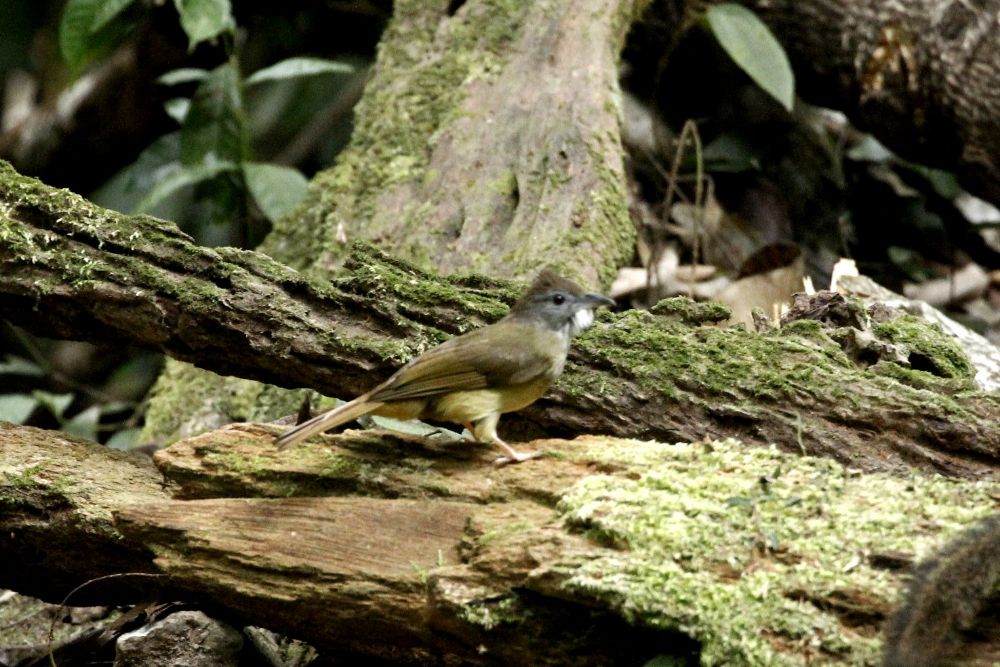
We then walked to the Japanese Tea House, adding Yellow-crowned Barbet, Lesser Racket-tailed Drongo, Scarlet Minivet, White-bellied Erpornis, Buff-vented Bulbul, and Ochraceous Bulbul. We also spotted a male Crimson-breasted Flowerpecker, a female Indochinese Blue Flycatcher, and a Pale-thighed Langur. Afterward, we drove to the bizarre Colmar Tropicale Resort, situated in a “Disney-style” fake medieval village. We unpacked and admired the wide-open view of the green hill forest from our spacious balcony until 4.30 pm, when we met downstairs.
We drove a short distance downhill to the golf course in search of hornbills. There were no fruiting trees, so no hornbills were present, but Large Woodshrike and Sooty Barbets were new additions. Irshad suggested using golf buggies to navigate the abandoned golf course. It was a pity to see the property without an owner, as the area is of outstanding beauty. Irshad managed to arrange access to the carts, and while driving the course, we found Ashy Drongo, Square-tailed Drongo-Cuckoo, and more Sooty Barbets, but not much else. Driving back up to our fairy-tale hotel, we stopped at a large parking area where we intercepted a singing Black-and-yellow Broadbill and some Sunda Pig-tailed Macaques. Near the entrance to the hotel, we finished the day watching two sleeping Siamangs and their baby in a large tree next to the parking lot.
18 FEBRUARY
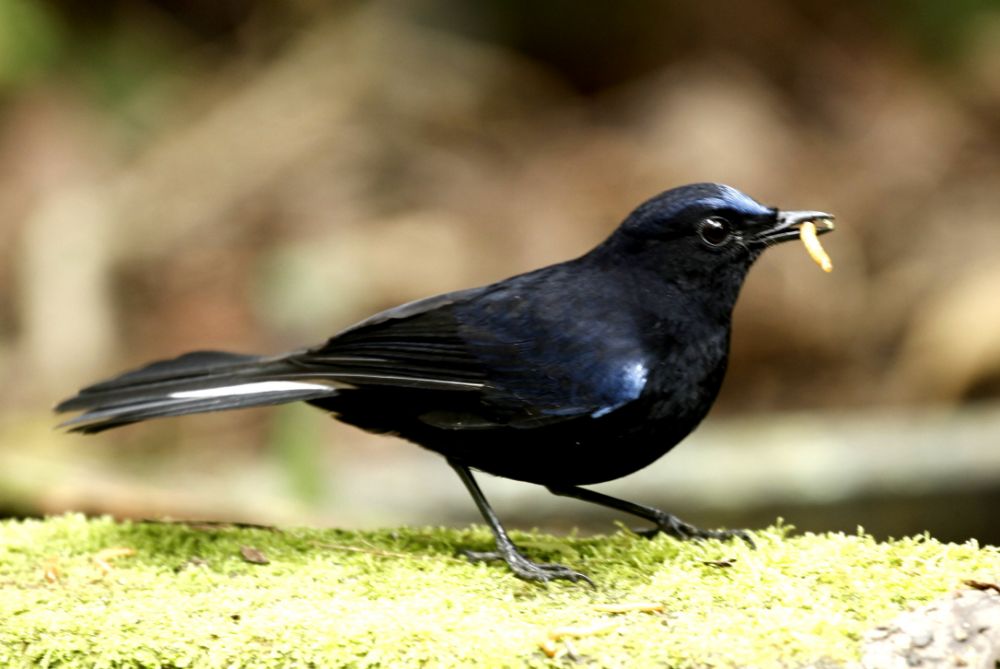
It was foggy when we started after coffee at 7.15. We revisited the hide, where a Siberian Thrush flew up from the trail, and Ochraceous Bulbuls and Buff-breasted Babblers were already present, searching for food prepared by Shahrool Anuar. Soon enough, the male Siberian Blue Robin appeared, sharing the food with an Orange-headed Thrush and a White-rumped Shama, while Mountain Imperial Pigeons were heard in the background. The same pair of Ferruginous Partridges was there again, but after half an hour, we decided to walk to the Japanese Village. Here, we heard a Red-bearded Bee-eater and a Bamboo Woodpecker, and saw Scarlet Minivet, Spectacled Bulbul, and Spectacled Spiderhunter. We heard a lot more, but our guide struggled with the calls and ID. We then had breakfast at 9.30, checked out, and started driving to the famous hill station, Fraser’s Hill.
Driving down from Bukit Tinggi, we added two handsome Whiskered Treeswifts perched in a roadside leafless tree alongside two Grey-rumped Treeswifts at a stop that also produced three more lifers; I spotted Silver-rumped Spinetails flying over the valley, a vocal Red-throated Barbet was around, and we heard distant Great Hornbills. The Crested Honey Buzzard migration was underway; we saw at least 23 birds passing over in just five minutes.
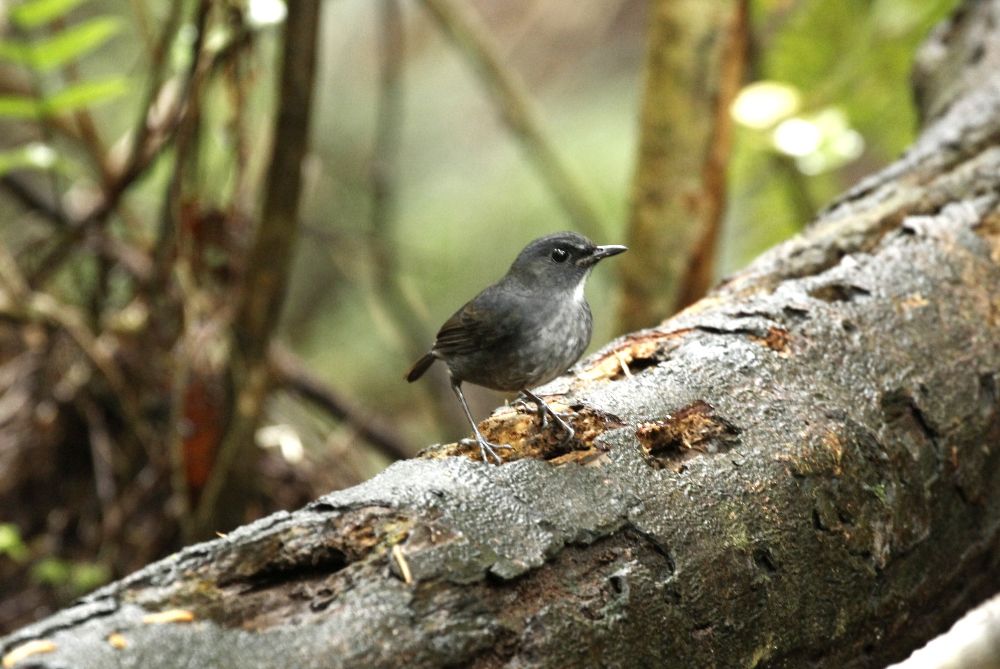
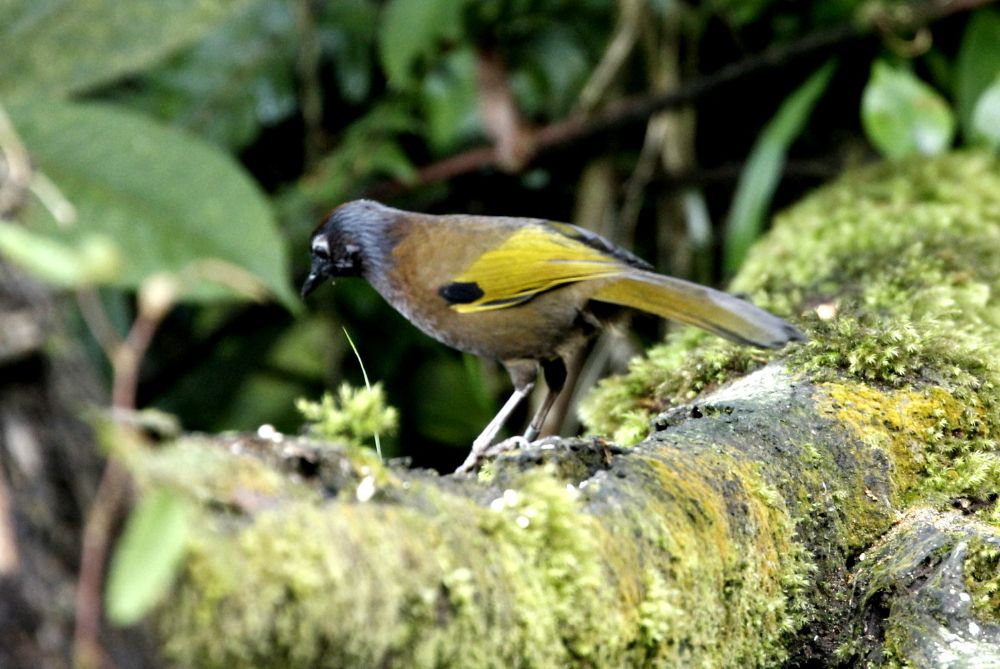
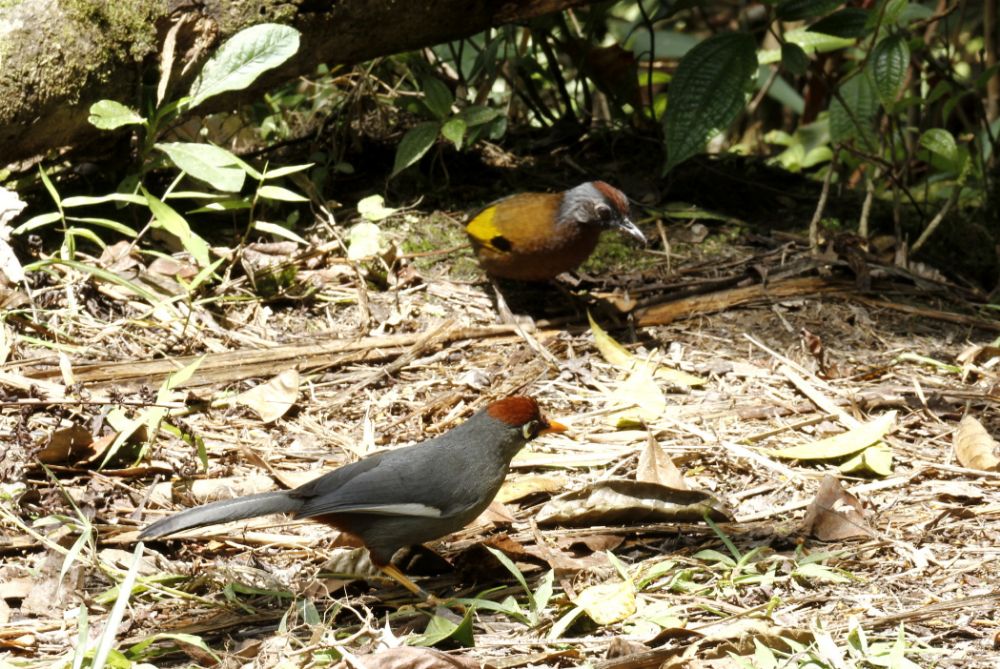
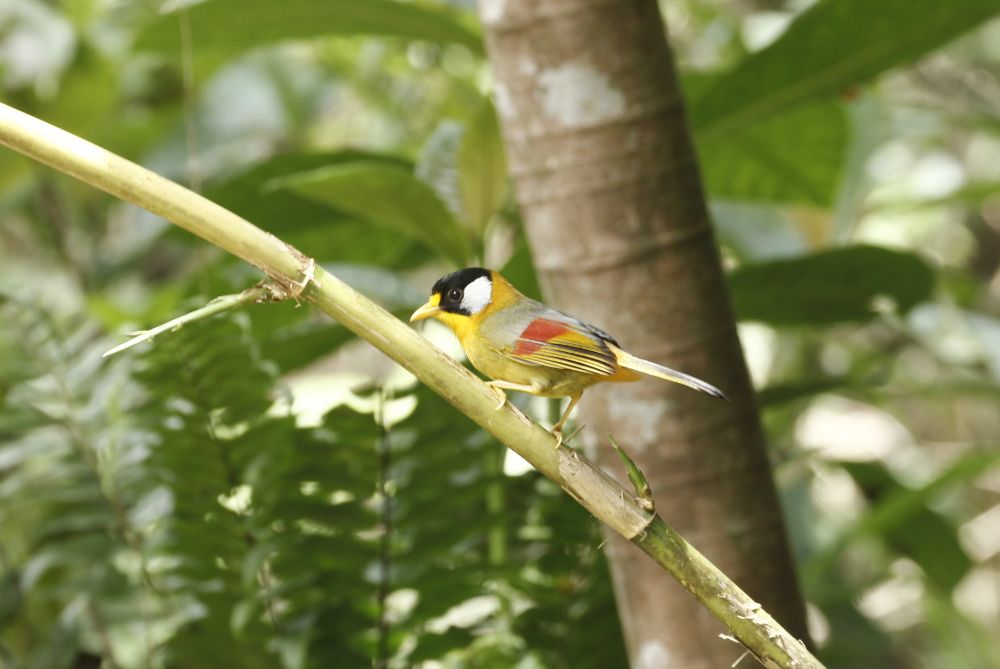
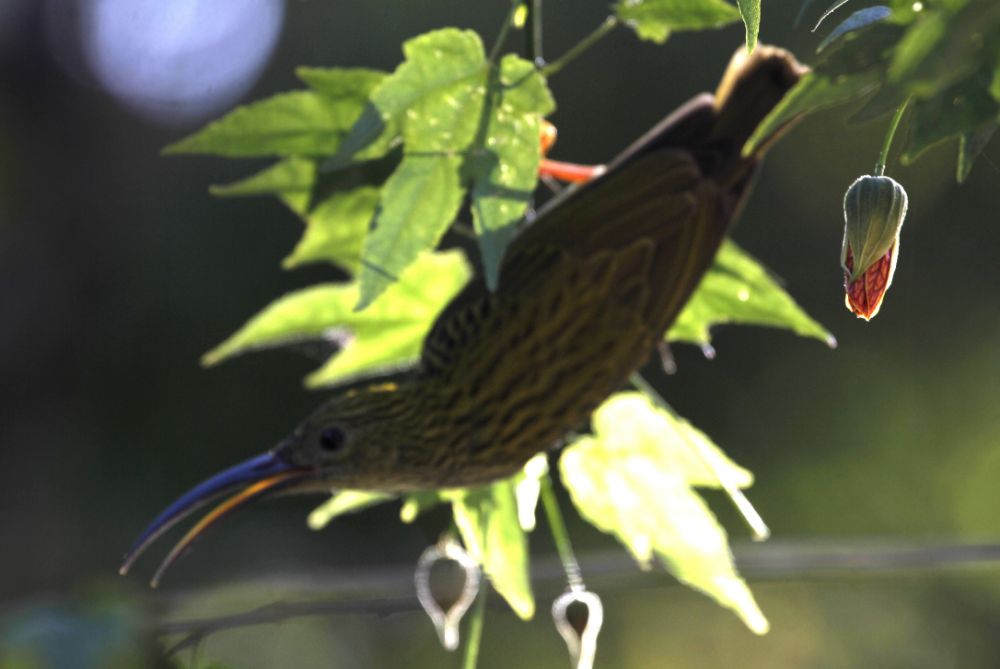
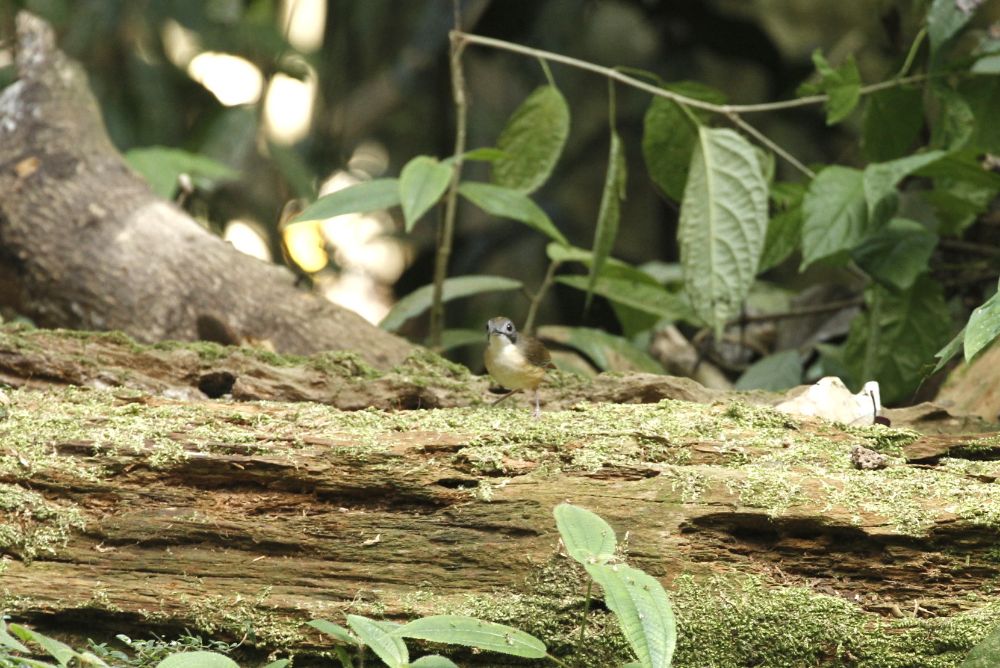
When we reached Fraser’s Hill, we started at a small feeding spot where we were able to photograph the colorful Silver-eared Mesia, Chestnut-capped Laughingthrush, and Malayan Laughingthrush. After checking into the Wyndham Garden Shahzan Hotel, we met local guide Durai, and then things truly sped up. Durai has a loud sense of humor, switching from terrible sexist jokes to serious birding with ease. New birds came in fast in the Bishop Trail area, with 19 lifers in 2.5 hours, including Black-browed Barbet, Grey-throated Minivet, Sultan Tit, White-browed Shrike-babbler, Black-eared Shrike-babbler, Mountain Fulvetta (which was common), and Mountain Bulbul. I ended up with good pictures of the Red-headed Trogon, Pygmy Cupwing, Streaked Wren-Babbler, and Lesser Shortwing. What a day!
In the evening at dinner, Hiele bumped into an old female birding friend he had met in Australia several years back. As it turned out, we had met her son in the afternoon when he expressed his devotion to trogons while watching a male Red-headed Trogon right in front of us. They were wonderful people, and we spent a great evening exchanging stories about birds we had seen in countries all over the world.
19 FEBRUARY
It rained heavily all night, and when we drove downhill toward Kuala Kubu Baru at 6 am, it was still raining and foggy. After passing a Brown Wood Owl and two smaller trees across the road, we were eventually stopped by three large trees that had fallen, blocking our path just 15 minutes from our destination, where another local guide was waiting for us. There were no detour options, as this was the only road, so there was nothing left to do but drive back to Fraser’s Hill; it would likely take half a day for the locals to clear the debris.
Back at the hotel by 8 am, we had a late breakfast. Luckily, Durai was both able and willing to change his plans so we could hire him for the day. At 9 am, we started birding, and although it was almost dry, the mist remained. We had a close encounter with four Siamang and saw several parties of Long-tailed Sibia. Red-headed Trogon and Malayan Cuckooshrike were regularly seen, while the Streaked Spiderhunter proved to be both confiding and common.
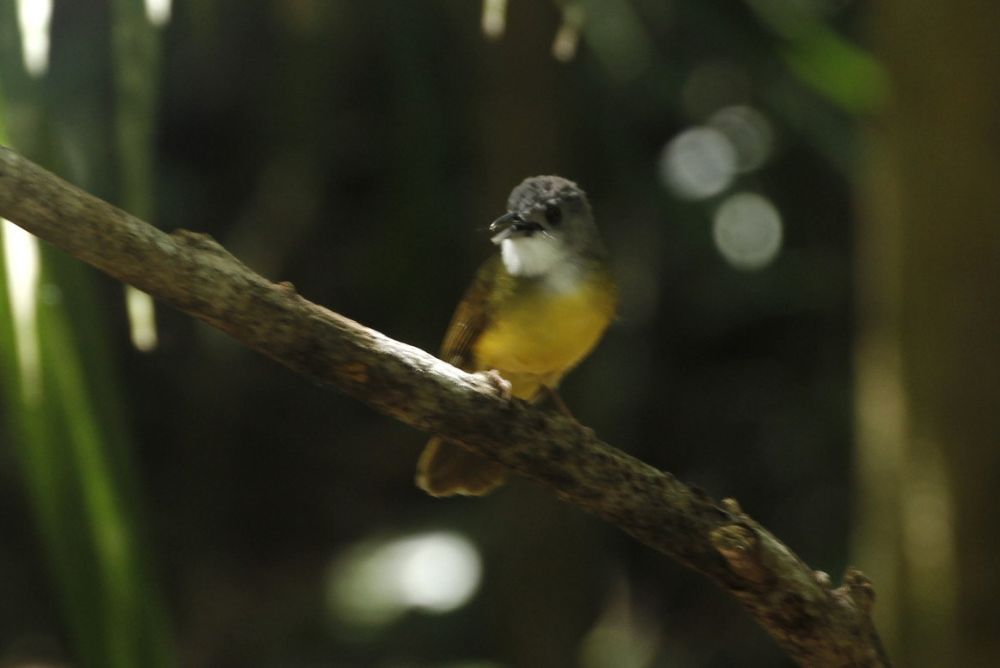
We enjoyed a large and beautiful Fire-tufted Barbet before hearing a Malayan Partridge very close to the road. We put out food and tried to tape the bird in; it came incredibly close but never into view. While waiting, we recorded a Large Niltava, though birding was otherwise slow. A small flock hosted a Chestnut-crowned Warbler, we heard a Collared Owlet and several Gold-whiskered Barbets, and we scored two more Green-billed Malkohas. Just as I was becoming disappointed with the low number of birds, we ran into a flock in which I found a Blue Nuthatch, a Yellow-bellied Warbler, several Golden Babblers, plenty of Chestnut-capped Laughingthrushes, some Black-eared Shrike-babblers, a Bronzed Drongo, and a few Grey-chinned Minivets. We had lunch as a group of four in Fraser’s Hill town, and when the three guys wanted an extra hour of rest, Hiele and I went birding around the restaurant for 45 minutes and found two lifers: Dark Hawk-Cuckoo and Little Pied Flycatcher.
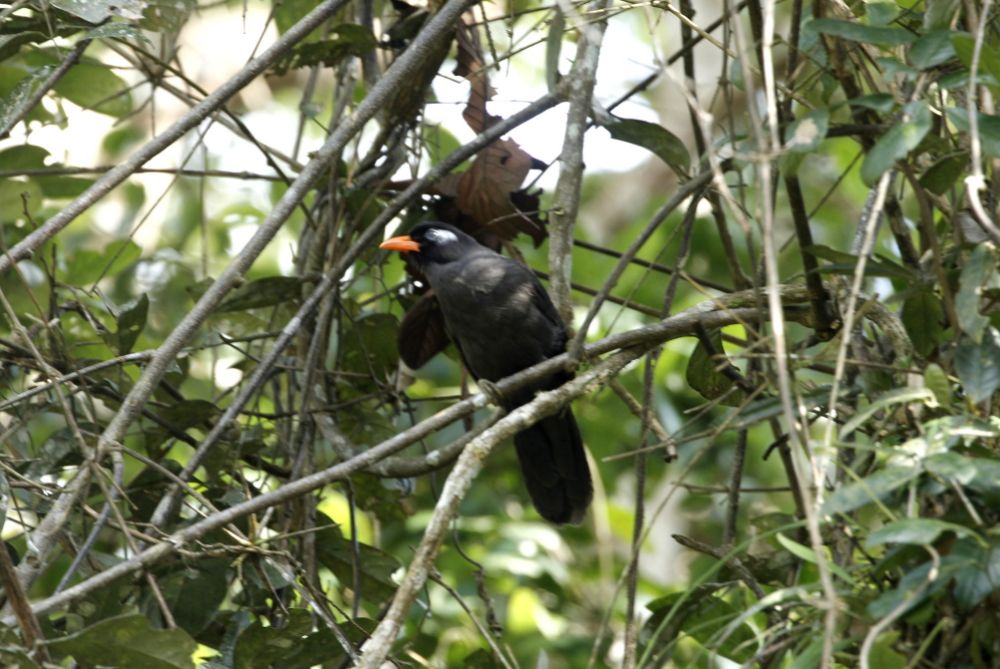
Two Black-throated Sunbirds were new birds for Hiele. After lunch, the Long-tailed Broadbill was our target bird. Following another showy Red-headed Trogon, we thoroughly enjoyed a gorgeous Long-tailed Broadbill—what a bird! Our next destination was the Telekom Loop, as our Australian birding friends had a very productive morning there. We taped for the Black Laughingthrush and hoped for the Black-thighed Falconet, but we came up empty. There was nothing there—a total disappointment with nothing to write home about.
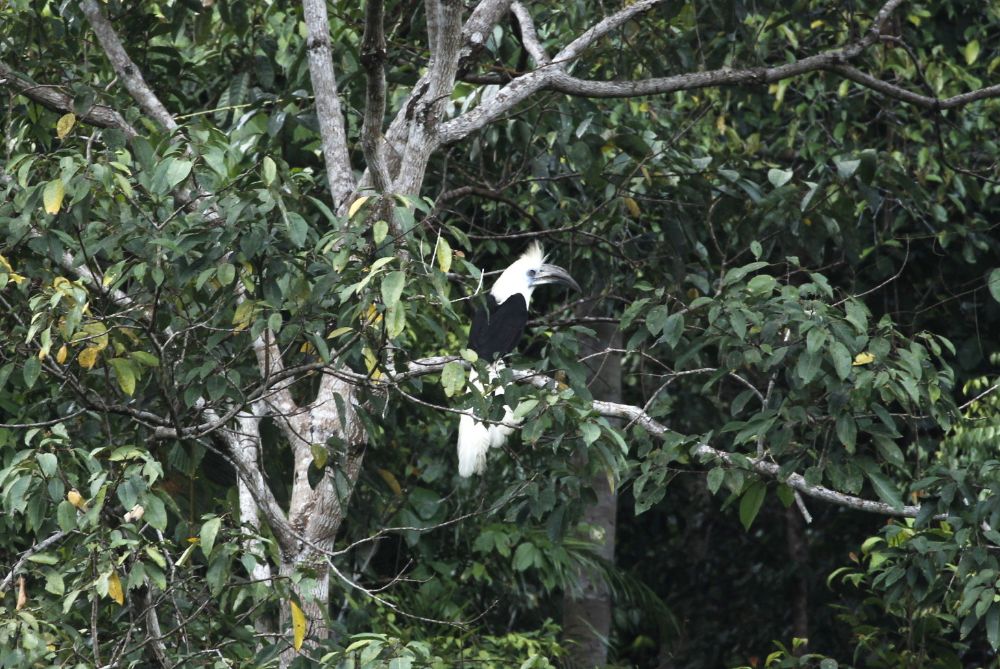
We then decided to visit Richmond Bungalow, a well-known site for the Malayan Partridge, and hit the jackpot. There was a massive flock with a wealth of (new) birds: at least eight Sultan Tits, Verditer Flycatcher, Mugimaki Flycatcher, two Black-browed Barbets, Black-and-crimson Oriole, Blue Nuthatch, several Chestnut-capped Laughingthrushes, Bar-winged Flycatcher-Shrike, Long-billed Spiderhunter, and Malayan Cuckooshrike, with a Little Cuckoo-Dove singing nearby. When the flock had passed, we drove back toward the junction, where Shahrool Anuar shouted: “White-crowned Hornbill!” An adult and an immature bird were perched in a tree; when they became vocal, they flew deeper into the forest—wow! An Orange-bellied Leafbird was our last notable bird here, and back at the hotel, we looked back on a great day after all. Money-wise, we have spent 75 euros each over six days, including the 9 euros each for half a liter of beer at Sama Sama Hotel in Kuala Lumpur on our first evening—not bad at all.
20 FEBRUARY
At 5.30 am, our day began when I woke up to what I thought was a Malayan Whistling Thrush singing outside at the back of our hotel. Half-asleep, I asked Hiele to record the bird so Durai could confirm the ID later. We drove to Kuala Kubu Baru again at 6 am, and this time, there were no fallen trees on the road. An hour later, we had breakfast in town, where Irshad Mobarak introduced us to two local guides, Master and Aziz.
We started in a small park in the southern part of Kuala Kubu Baru, where I found an Oriental Pied Hornbill and three lifers: Stripe-throated Bulbul, a female Yellow-rumped Flycatcher, and a Yellow-vented Flowerpecker. We then drove to the northeastern edge of town, where Aziz’s mixed tape attracted many passerines, including Yellow-breasted and Scarlet-backed Flowerpeckers, two Dark-sided Flycatchers, a Hume’s White-eye, and two Arctic Warblers. We spotted a bright green and black Rajah Brooke’s Birdwing flying by before moving to the next spot along the Selangor River, south of town.
The Grey-breasted Spiderhunter was a lifer here, and we bumped into an unexpected Straw-headed Bulbul singing from dense trees close to the river. This is a critically endangered species that I had seen in Singapore, but it was a lifer for Hiele. Rufescent Prinia was present as well, but not much else, so we drove a little higher to a location known for regular flybys of the Helmeted Hornbill. We weren’t that lucky, but we did record Lesser Green Leafbird, a pair of Blue-winged Leafbirds, Plain Sunbird, and several Cream-vented Bulbuls in these green hills. Closer to the reservoir, the Black-thighed Falconet was added to our list of lifers, while Crested Serpent Eagle and Changeable Hawk-Eagle soared overhead. Back in town, we visited the birders’ clubhouse, where we were shown a room filled with impressive bird photography. After being presented with a glossy photobook by the local birding community, we began our drive back up toward Fraser’s Hill.
Aziz and Master promised us a variety of birds and spoke of sites for the Pin-tailed Parrotfinch, Spotted Fantail, Fluffy-backed Tit-Babbler, and Maroon-bellied Philentoma, but unfortunately, none appeared. We heard a Maroon Woodpecker, and while slowly driving the forested road to The Gap, we observed a lovely Black-and-yellow Broadbill that allowed for good photos. Another stop thirty minutes later provided two lifers—Scaly-breasted Bulbul and Green Iora—while Black-crested and Black-headed Bulbuls were common. At a forest spot where the Pin-tailed Parrotfinch was usually guaranteed, Aziz had to disappoint us; the open parking area produced only a pair of Large Woodshrikes, Scarlet Minivet, and a male Verditer Flycatcher, with two more Black-thighed Falconets seen from a nearby lookout.
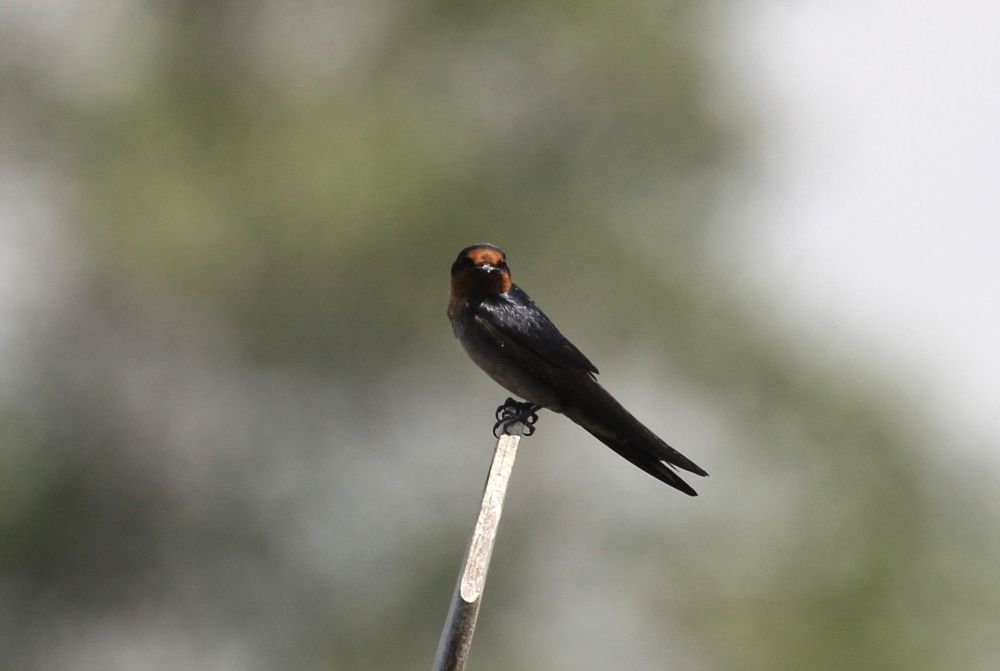
We then said goodbye to our local guides and drove to Fraser’s Hill to pick up Durai at his shop, adding a White-crowned Forktail at a roadside stream. Once we reunited with Durai, the pace quickened: there were four lifer Rufous-bellied Swallows in the air over his shop. Driving back to The Gap, we heard Rhinoceros and Bushy-crested Hornbills nearby, and I found a Cinereous Bulbul alongside Ochraceous Bulbuls and a Velvet-fronted Nuthatch. We found two Red-bearded Bee-eaters, the second of which was close enough for excellent pictures. As we continued, Hiele found a Common Mock Viper. We then heard a cooing sound in the distance, which Durai immediately identified as a Helmeted Hornbill! We raced to a vantage point, but to no avail; we did not see or hear the bird again. A Silver-breasted Broadbill began singing, but it wouldn’t show either. This bird is a newcomer to the area; due to climate change, birds are moving to higher altitudes, with new lowland species appearing on Fraser’s Hill every year.
Walking back to the car, we heard a Yellow-crowned Barbet singing, and after two fly-by Little Cuckoo-Doves, we called it a day. We had been birding from 5.30 am to 7 pm nonstop, eating our lunch while chasing the Black-and-yellow Broadbill. And as it turned out, I was right—it was indeed a Malayan Whistling Thrush singing early this morning behind our hotel, as Durai confirmed when we ended the day at a local restaurant. When Hiele and I tried to pay for Durai’s meal, we discovered he had already paid for ours. He said he loved to do that for his friends.
21 FEBRUARY
We started with breakfast this time and began birding at 8 am. The Malayan Whistling Thrush wasn’t home, and our search for the Dusky Broadbill at the Telekom Loop was unsuccessful. At 10 am, we tried for the Malayan Partridge again at Richmond Bungalow because, contrary to what Durai had said earlier, the birds had frequently been seen there over the past few days. A French couple we met mentioned they had seen them yesterday at the feeding spot around ten—confirming Durai’s timing. Unfortunately, our own timing was off; the same couple was there when we arrived and told us the birds had appeared just half an hour before.
We waited for 45 minutes, but our schedule was tight, as we needed to be in Taman Negara National Park by the afternoon. While waiting, we welcomed some old friends like the Fire-tufted Barbet, and as we drove up to Richmond Bungalow, we flushed a roadside female Siberian Thrush. Walking back to our car, we found a female Mugimaki Flycatcher and a flock led by a Lesser Racket-tailed Drongo that hosted another Sultan Tit, a Mountain Leaf Warbler, a pair of Black-and-crimson Orioles, and both Lesser and Greater Yellownape.
After packing our bags and saying goodbye to our new friend Durai, we made one last attempt for the Dusky Broadbill and Black Laughingthrush at the Telekom Loop. Again, we had no luck, but this time our search was rewarded with Greater Green Leafbird, Orange-bellied Leafbird, another Black-and-crimson Oriole, and two Mountain Leaf Warblers. A final try for the Rufous-browed Flycatcher produced the Lesser Shortwing and Buff-breasted Babbler again. With a Dark Hawk-Cuckoo, we officially ended our stay at Fraser’s Hill.
We had a wonderful time and then began the four-hour drive to Taman Negara, arriving just in time for a visit to “Hornbill Valley.” We were very happy to see two majestic Rhinoceros Hornbills that showed exceptionally well. We arrived at our cabin in the dark after crossing the river and thoroughly enjoyed the ambiance at the Mutiara Resort, where an inquisitive Malayan Green Whip Snake entertained guests at the entrance of the restaurant.
22 FEBRUARY
We had a 7 am breakfast and a 7.30 am start with local guide Aki, who worked at the Taman Negara National Park headquarters and had birded the area for twenty years. However, we soon learned that he struggled with bird sounds and realized that very day that he had a hearing problem. This was a new experience for us: a deaf bird guide. Some birds called very loudly, very close to where he was standing, but he was unable to hear them. On the other hand, he often alerted us to birds he heard from deep within the forest—a fascinating experience. Birding at Taman Negara is notoriously slow, which added an extra challenge to our quest for sightings. Of the sixteen lifers today, I found and identified nine myself; I think that speaks volumes about our guide(s), as this was not an isolated occurrence.
We saw four new bulbul species and six new babbler species today, but once again, we missed out on the “big birds.” We taped all day for the Green Broadbill but never saw or heard one; we have yet to see our first pitta, and our biggest shortcoming was managing to avoid seeing a single Malayan Crested Fireback in the forest. Even most of the tourists saw them! While working the Swamp Loop looking for the firebacks, we saw the bulbuls, babblers, Short-toed Coucal, and four Raffles’s Malkohas.
We then went on a boat ride arranged by the JungleWalla team. We decided not to be rude and boarded for the 45-minute trip, though we expected nothing new. While the area is beautiful, we were falling behind schedule regarding our target species. The boat ride started late, and after thirty minutes with zero birds, we aborted the trip and went back into the forest at Tembeling River beach. Here, our guide suggested taking the longer route deeper into the park, claiming more good birds were there and that firebacks were easy to find. We walked the back trails for 2.5 hours and saw absolutely nothing. We heard a Great Slaty Woodpecker, along with Bushy-crested and White-crowned Hornbills, and saw a White-rumped Shama, but it felt like a total waste of time. We taped for Rail-babbler, Garnet Pitta, and Green Broadbill, but nothing happened. As we stepped out of the forest and walked toward our cabins, a pair of Wreathed Hornbills flew over low—a late highlight of an otherwise poor birding day.
23 FEBRUARY
We started at 7.30 am and walked the Swamp Loop trails again until 9 o’clock. Bizarrely, there was still no sign of the Fireback. It was another frustrating start to the day, although there was far more bird activity on the trail than yesterday, with vocal Ferruginous and Malayan Black-capped Babblers and good views of a pair of Maroon Woodpeckers.
We then drove over two hours to the more unexplored side of Taman Negara called Merapoh. During the drive, Shahrool Anuar told us he had received a text from the park rangers saying that Malayan Crested Firebacks had appeared on the trail near our cabin just ten minutes after we had checked out…
We reached the entrance of Merapoh at 2.45 pm and waited for local guide Juki. He had to open the park gate, as there is no access to this part of Taman Negara without a local guide. As soon as we stepped out of the car, new birds came in fast. We saw nine Black Hornbills at the car park. Behind the gate, after a quick preparation of the hide, we sat behind a black plastic sheet with a few holes in it and were soon enjoying a marvelous male Great Argus in all its beauty.
Yellow-bellied Bulbuls and Mourning Babblers were also present, and White-rumped Shamas visited regularly. We walked a little further to try and tape in a singing Garnet Pitta, but we failed. However, the area hosted several excellent species: a bright male Scarlet-rumped Trogon and two bathing Rufous-crowned Babblers. On the way back, we saw a young male Malayan Peacock-Pheasant make a short but overwhelming appearance at the hide. We still had time for the Canopy Walk, where we ended the day with a Wrinkled Hornbill. What a bird, and what a day!
24 FEBRUARY
After a good night in a decent hotel in Kuala Lipis, we had a prata breakfast nearby and ate it in the car. We reached the entrance to Merapoh at 8.15 am and waited for our guide, as this part of Taman Negara National Park does not open before 8.30 am. While birding the parking lot, we found two lifers: Buff-rumped Woodpecker and Black-eared Barbet. We also noticed a Black-and-red Broadbill before we were allowed in.
A little over a mile later, we stopped and took our seats behind the same black plastic sheet that Shahrool Anuar and local guide Juki had set up earlier. We waited for the forest to come to life. Mourning Babbler, White-rumped Shama, and Yellow-bellied Bulbul were present almost constantly, and a Grey-cheeked Bulbul also appeared regularly.
A Rail-babbler soon began calling and continued until 11.30 am. It came incredibly close, step by step, but it never showed itself and eventually fell silent. The male Great Argus reappeared, as did the subadult male Malayan Peacock-Pheasant, allowing for amazing pictures—truly incredible. A Banded Kingfisher sang its unique song, and an adult Wrinkled Hornbill flew low, right overhead.
At noon, as we walked back to the car, we heard a Helmeted Hornbill. We then went for lunch in the nearest town, about thirty minutes from Merapoh. We returned to the park at 2.30 pm, and this time local guide Lucky took us deeper into the forest. Fifteen minutes in, it started raining heavily, and it was another two kilometers before we found shelter. By the time we reached the watchtower, we were completely soaked. Shahrool Anuar put the kettle on, and by the time the coffee was ready, the rain had stopped. We enjoyed the wide-open views from the roofed top of the tower, watching two scruffy, wet Oriental Honey Buzzards pass by at eye level.
A Streaked Bulbul was a nice find here—another lifer. After spotting a bright male Asian Fairy-bluebird, we began our drive back. A male Scarlet-breasted Flowerpecker was a new bird for us as well. Silver-rumped Spinetails were hawking over the forest, and a Common Emerald Dove was on the road. I then identified a pair of Large Green Pigeons mating, just before Irshad saw a Helmeted Hornbill flying in; I only caught a glimpse before it flew off. We tried to relocate it from the Canopy Walkway but “only” saw 15 Black Hornbills in their roosting tree, an adult Red-bearded Bee-eater, a Raffles’s Malkoha, a photogenic Stripe-throated Bulbul, and a Malayan Black Magpie.
At 6.45 pm, it was time to head home. A final look at the trail provided a big surprise: a Malayan Crested Fireback was on the road. It was an incredible rebound after yesterday; although it was an immature female, the species finally made it onto our list! We also thoroughly enjoyed the “puddling” butterflies today. Several large, colorful species, including Great, Lesser, and Common Jay, Five-bar Swordtail, and Malayan and Pendlebury’s Zebra, were seen and photographed along the road.
25 FEBRUARY
This morning, we started by helping Irshad with the Merlin app. We repeated yesterday’s schedule and arrived at Merapoh at 8.30 am. A Banded Woodpecker was new for the trip, and a fly-by Great Iora was new as well. On the Canopy Walk, we saw three lifer Red-billed Malkohas, and a very smart Prevost’s Squirrel was a nice addition to our mammal list. Four Mountain Imperial Pigeons perched atop one of the tallest trees, and Black Hornbills were common again.
At 9.30 am, we entered the reserve with Lucky and sat in the hide once more. They had set up the blind and sprinkled mealworms to encourage the birds. We had only two targets left and started taping for the Garnet Pitta, but it did not respond. The Rail-babbler was heard but remained much further away than yesterday. We finally heard a singing Green Broadbill before the rain returned at 11.15 am, ending our quest for the Rail-babbler.
We spent the afternoon traveling further north to Taiping, arriving at the Flemington Hotel at 5.30 pm. The Lake Gardens opposite the hotel is one of the best places in the world to see (semi-)wild Milky Storks, an endangered species reintroduced from the Taiping Zoo. We easily saw seven of them, both adults and immatures. During a walk through the park, we also recorded Chinese Pond Heron, Asian Openbill, Black-crowned Night Heron, Great and Medium Egret, Orange-breasted Green Pigeon, Brahminy Kite, and Long-tailed Parakeet. Crested Serpent Eagle, Oriental Pied Hornbill, and Paddyfield Pipit were also seen.
During dinner, we met local guide Gunar, a friend of Irshad. Gunar told us everything there is to know about Maxwell Hill, now named Bukit Larut, and our adventure for tomorrow. The road to the top has been closed for four years due to landslides and the pandemic and is not scheduled to reopen until April. However, Gunar has secured special permission to take us to the top tomorrow.
26 FEBRUARY — BUKIT LARUT AND KUALA KANGSAR
High expectations turned into initial frustration when the Land Rover driver, tasked with taking us to the summit of Bukit Larut, was 45 minutes late. Once we began the ascent, we navigated 72 hairpin bends to reach the top—a bumpy and steep road, but manageable. Gunar, who grew up on the hill, was anxious to see how rewilding and the absence of humans had affected the area. He spoke of the large animals (including the Malayan Tiger) and rare birds he had seen here in the past. However, like him, we were brought back to reality when the trails remained silent and the birding proved slow.
We did not see or hear many birds; we glimpsed a Red-headed Trogon and some Bushy-crested Hornbills, and found a female Mugimaki Flycatcher along with some old friends. Orange-breasted Trogon, Rufous-browed Flycatcher, and Grey-throated Babbler were all heard but never made a proper appearance. The tall trees obstructed the view into the valley, so while Great Hornbills were heard, they remained unseen. When things grew particularly quiet around noon, we asked the driver to take us back down. On the way up, we had seen a Chestnut-naped Forktail and a species of Whistling Thrush; on the way down, we saw only happy hikers and four Wreathed Hornbills flying overhead.
Back at the hotel, we decided to have lunch in Taiping. After photographing Robinson’s Banded Langur in the Lake Gardens, we opted for a visit to the Maxwell Hill base camp to search for lowland species we had missed. We were quite successful, recording the Banded Broadbill and a Fire-breasted Flowerpecker.
With some daylight remaining, I asked Irshad for a location to find the White-headed Munia. He and Shahrool Anuar immediately geared into action, even though it took an hour to reach the rice paddies of Kuala Kangsar, east of town (GPS 4.7753, 100.9646). It was raining heavily when we arrived, so we birded from the car. The White-headed Munias were easy to find; we saw at least 500 of them among even larger numbers of Scaly-breasted Munias. White-rumped Munia, Chestnut Munia, and Baya Weaver were also spotted in these massive flocks. Asian Openbills and Eastern Cattle Egrets were everywhere, and three Watercocks (two males, one female) and a Cinnamon Bittern were welcome additions to our trip list. The best bird, however, was a showy Eastern Baillon’s Crake found while scanning the water-filled ditches. At the edge of town, a Great Hawk-Cuckoo provided some unexpected photo opportunities in the fading light. In the evening, we had a lot of fun over dinner at Secret Recipe, discussing our plans for another day of birding in Malaysia tomorrow.
27 FEBRUARY
It was another sunny day with a pleasant temperature of 27 degrees Celsius, though birding remained slow in the morning—a recurring theme this holiday. Our visit to the mangroves at Kuala Sepetang at 8 am was disrupted by a noisy leaf blower, which made locating the Mangrove Whistler difficult. However, twenty minutes deeper into the mangroves, the noise finally ceased, and a Mangrove Pitta became vocal. A Copper-throated Sunbird was a new sighting for Hiele, and we enjoyed watching the Giant Mudskippers emerging from their pools at low tide.
We left the Matang Mangrove Forest at 10 am and drove to my latest eBird discovery, the Pondok Tanjung Forest Reserve, which seemed to boast the most extensive list of new species in the greater Taiping area. Our flexible guides embraced the idea immediately and drove the hour to reach it. Access to the forest proved difficult, so we resorted to roadside birding along the highway during the heat of the day. Irshad reached out to a contact to find the person responsible for the recent eBird observations, who shared a promising spot near a bridge (GPS 5.0818, 100.7203). A male Ashy Minivet was our best bird here, though colorful butterfly species like the Yamfly and Rustic saved the afternoon.
Despite the hard work, our guides never gave up. When Hiele and I mentioned wanting to revisit the Lake Gardens, Gunar and Irshad sacrificed their break to join us. I found a pair of Lesser Cuckooshrike, but we were unable to locate any roosting Buffy Fish Owls, a species Hiele had hoped to see. Our guides worked tirelessly, seemingly never weary of searching for new birds. At 4 pm, we visited the Burmese Pools, but aside from Jungle Myna and some nice lifer butterflies, it was devoid of birds.
The nearby Perak Botanical Garden was our next stop. It was very quiet, with no other visitors present. After seeing some common park birds like the Common Iora, Plaintive Cuckoo, Lineated Barbet, and a flock of Puff-throated Babblers, Irshad flushed a Malayan Night Heron. I caught a glimpse of it before it retreated into cover. A quick check of social media and eBird confirmed the bird had been present there for several weeks. We couldn’t relocate it and walked back to the hotel, where we were caught in a heavy downpour.
After drying off, we went to dinner in town and met with Dr. Kevin Lazarus, the former director of Taiping Zoo and the man responsible for the Milky Stork reintroduction program. He explained that these storks are now fourth-generation free-flying birds that breed without human interference. The Lake Gardens population is self-sustaining, with approximately 40 birds now ready to expand into the nearby mangroves. He also spoke about a project involving Nicobar Pigeons. It was an inspiring evening filled with great stories.
28 FEBRUARY
We began with a pre-breakfast stroll at 7.30 am to search for the Buffy Fish Owl but again came up empty. After breakfast, we returned to the Perak Botanical Garden to see if the Malayan Night Heron was still there. As we walked toward yesterday’s spot, I saw the bird fly up from the shaded, leaf-littered forest floor. We flushed it twice more, and on the third occasion, the adult bird flew past beautifully, offering a great view.
Satisfied, we proceeded to the Sedim Tree Top Walk, stopping again at the roadside bridge in Pondok Tanjung Forest Reserve. We recorded a singing Black-eared Barbet, a female Bar-bellied Cuckooshrike, and at least 25 Pacific Swifts foraging very low overhead. We reached the walkway at 11 am; although birding was slow, we saw a singing Indochinese Blue Flycatcher, a male Temminck’s Sunbird, and a small flock of passerines including an Eastern Crowned Warbler.
We then drove back to our hotel in Kulim. After a brief rest, we continued to the Air Hitam Dalam Forest Reserve to try for the Buffy Fish Owl and Mangrove Blue Flycatcher. Both remained elusive, but a pair of Black-thighed Falconets allowed for great pictures, and two Black Kites were new for the trip. Our total now stands at 303 bird species, 145 of which are lifers. We ended the day with a final visit to Secret Recipe and an early night.
1 MARCH
On our final day, we chose to stay relatively local and returned to the Sedim Tree Top Walk early in the morning. Along the approach road near the parking area, Irshad heard a Blue-winged Pitta. As we walked toward it, the bird flew up into a tree—an incredible moment—but despite some playback and a cautious approach, it vanished into thin air. Nearby, we saw a Sunda Pygmy Woodpecker working a dead tree, shared by four Blue-crowned Hanging Parrots, which was the first time we had seen that species perched.
While Shahrool Anuar stayed behind to try and relocate the pitta, we proceeded to the walkway, only to find it was closed for the day. Fortunately, at the parking lot, we met Neoh Hor Kee, the eBird contributor Irshad had contacted earlier in the trip. He invited us to join him on a trail leading into the forest adjacent to the road.
Birding began slowly, but after Neoh Hor Kee called in a pair of Banded Kingfishers, the activity surged. We recorded several lifers, including a gorgeous male Rufous-collared Kingfisher, two Purple-naped Spiderhunters, a pair of Chestnut-breasted Malkohas, and two noisy Rufous-fronted Babblers. These were all part of a massive flock that also featured a Dark-throated Oriole, a male Scarlet-rumped Trogon, two Eastern Crowned Warblers, White-bellied Erpornis, and at least two Grey-throated Babblers, with Chestnut-winged Babblers calling nearby. A Pale Blue Flycatcher sang from high in a fig tree, and back at the parking area, two adults and an immature Rhinoceros Hornbill provided excellent photo opportunities while feeding on fruit.
By noon, we expected to head to the airport, but the team made one final, determined attempt to find the Buffy Fish Owl at the Air Hitam Dalam Forest Reserve. Though the bird remained elusive, we appreciated the effort before driving to the airport on Penang Island. We shared a final lunch together and discussed plans for next year; Irshad and Shahrool Anuar eagerly accepted our invitation to join us in Borneo, with Irshad even suggesting we include Sulawesi in the itinerary.
We parted with heavy hearts. Irshad is by far the best tour leader we have ever had—flexible, eager, and erudite. Shahrool Anuar was much more than a driver and assistant; he took care of every detail, from coffee and laundry to pre-visit preparations, all with a great sense of humor. From Penang, we flew to Kuala Lumpur and, after a four-hour layover, began our journey back to Amsterdam.
See the official record of the birds documented during our expedition through Peninsular Malaysia. Our journey culminated in a final tally of 303 species, including 145 lifers. Taxonomy according to IOC 2025.
BIRDING PENINSULAR MALAYSIA 2025 — THE COMPLETE SPECIES LIST